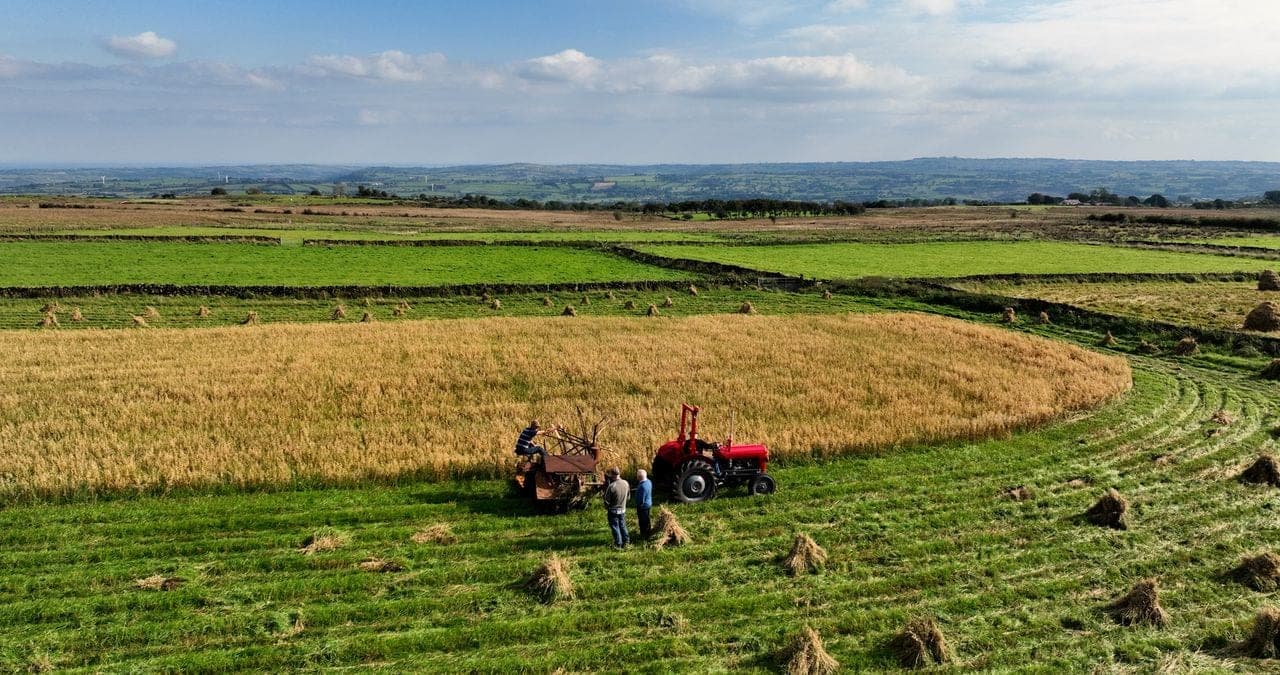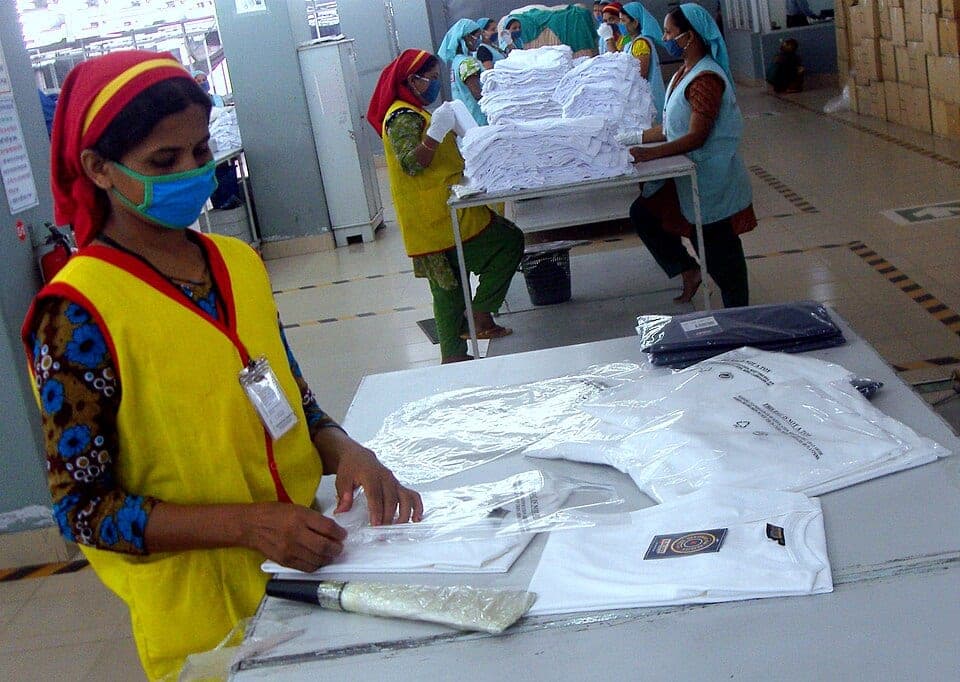
Photo: Fahad Faisal / via Wikimedia Commons, CC BY-SA 4.0
Asia's garment sector employs around 60 million workers and produces over half of global clothing exports. The ILO's own assessment of conditions is blunt.
The clothes you are wearing were almost certainly made in Asia. According to the International Labour Organization, the region's garment sector employs some 60 million workers and accounts for 55 per cent of global textiles and clothing exports.
That figure is from an ILO assessment published in June 2022 and remains the standard reference for the sector's scale. We flag the date because the industry moves, and because a number worth quoting is worth dating.
What the ILO says about conditions
That is the ILO's own description of the sector it monitors:
- "Long and intense working hours"
- "Poor occupational safety and health"
- Violations of fundamental rights across the industry
- Women overrepresented among the sector's low-paid workers
The ILO also records a pattern worth sitting with: the countries with the lowest share of female workers show among the highest gender pay gaps. Fewer women in the workforce does not mean better conditions for the women who are in it.
The structure that produces this
Garment supply chains are organised so that the commercial risk sits at the bottom.
A brand places an order at a price and a deadline. A supplier accepts both. If the order is late, the supplier absorbs the penalty. If demand collapses, the order is cancelled. The supplier's flexibility comes from the only cost it controls: hours worked, wages paid, and how much is spent on the building.
Overtime and safety are not incidental failures of that system. They are how the flexibility is delivered.
Every figure above comes from the sources below, as they reported it, on the date given.
- 01Asia still garment factory of the world, yet faces numerous challenges
International Labour Organization (ILO) — 24 June 2022
- 02
- 03
- 04
Facts verified against these sources on 17 August 2026